 Image 1 sur 4
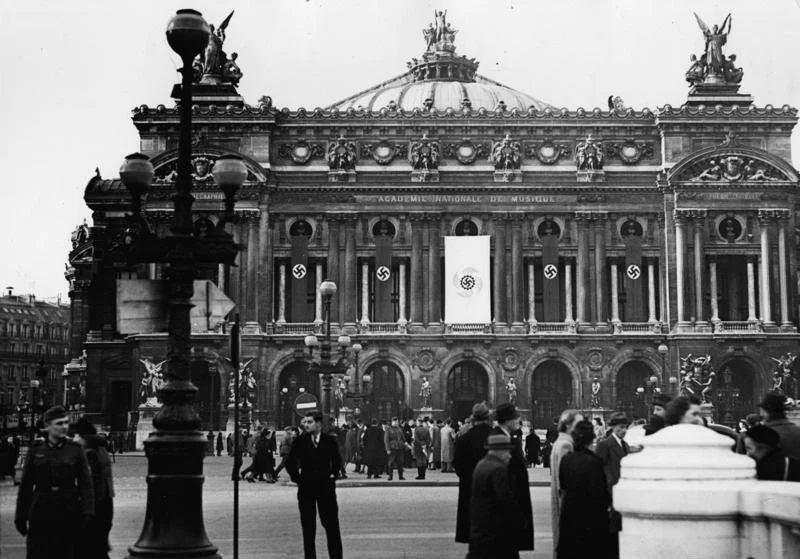 Image 2 sur 4
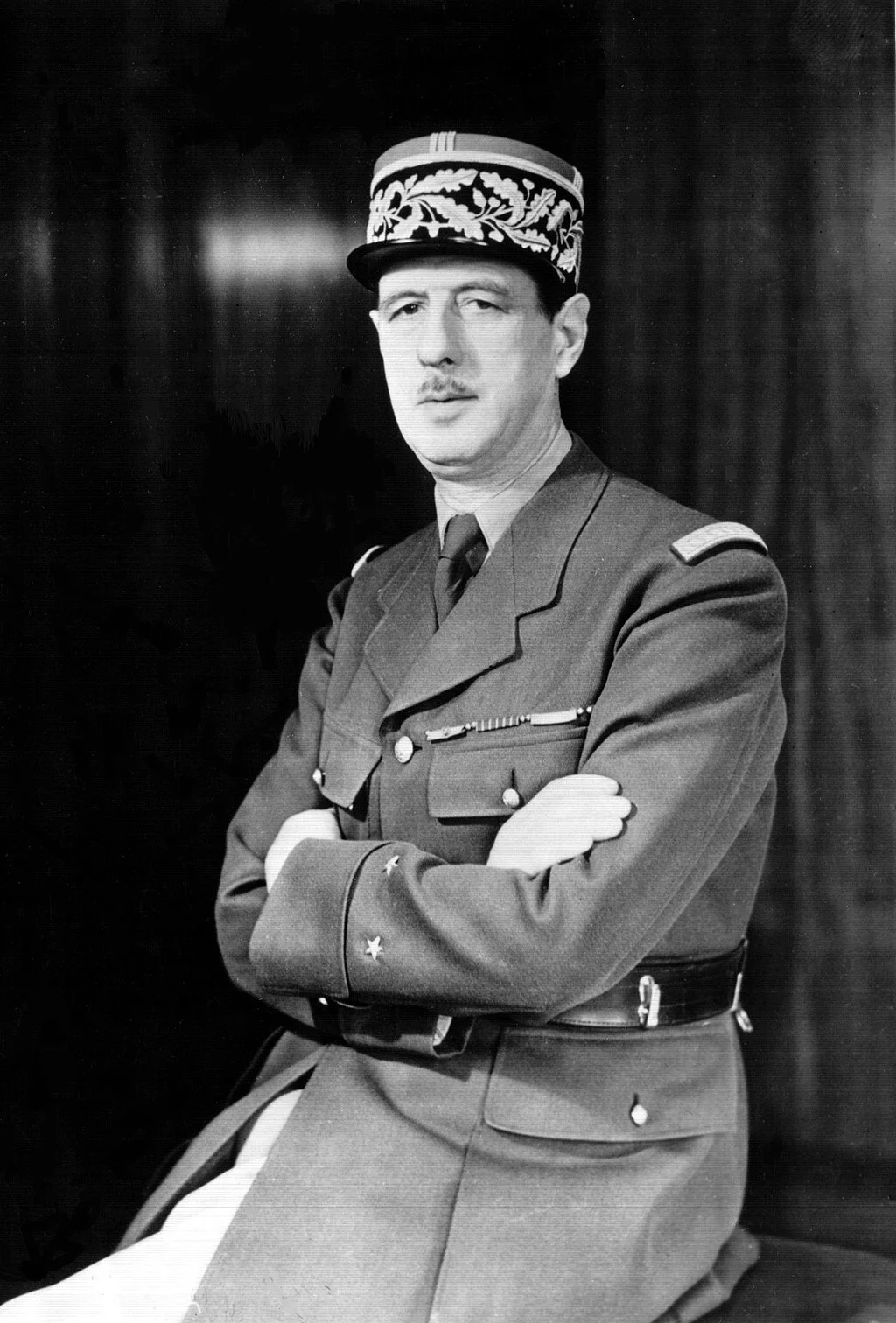 Image 3 sur 4
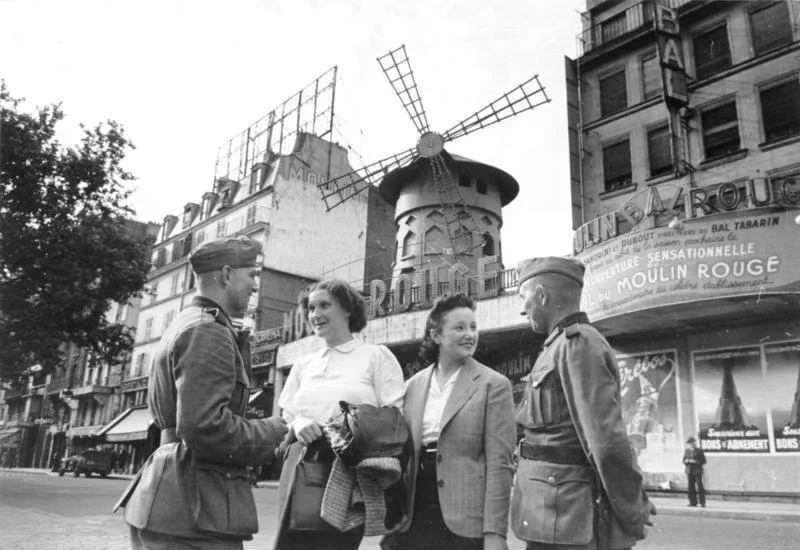 Image 4 sur 4
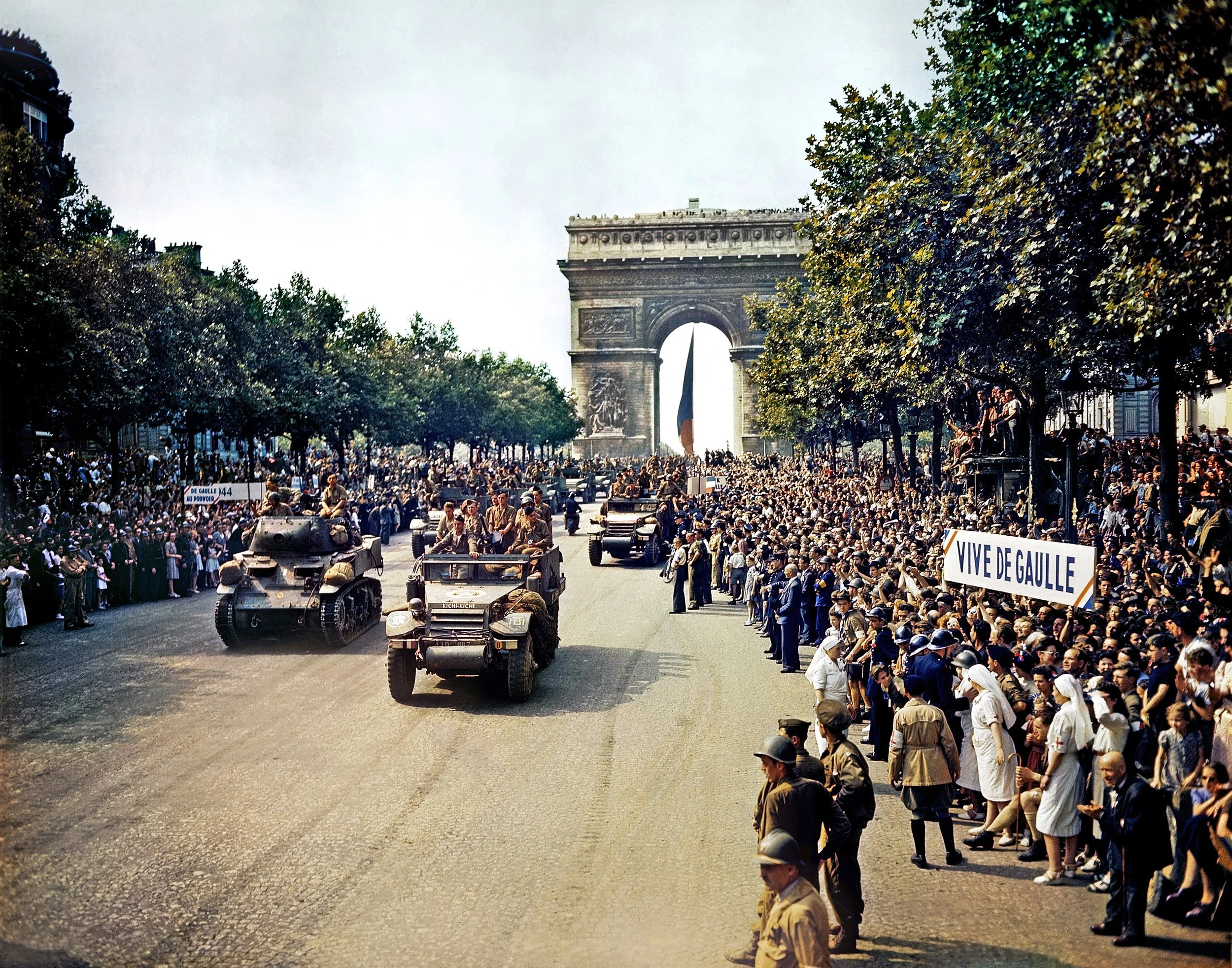
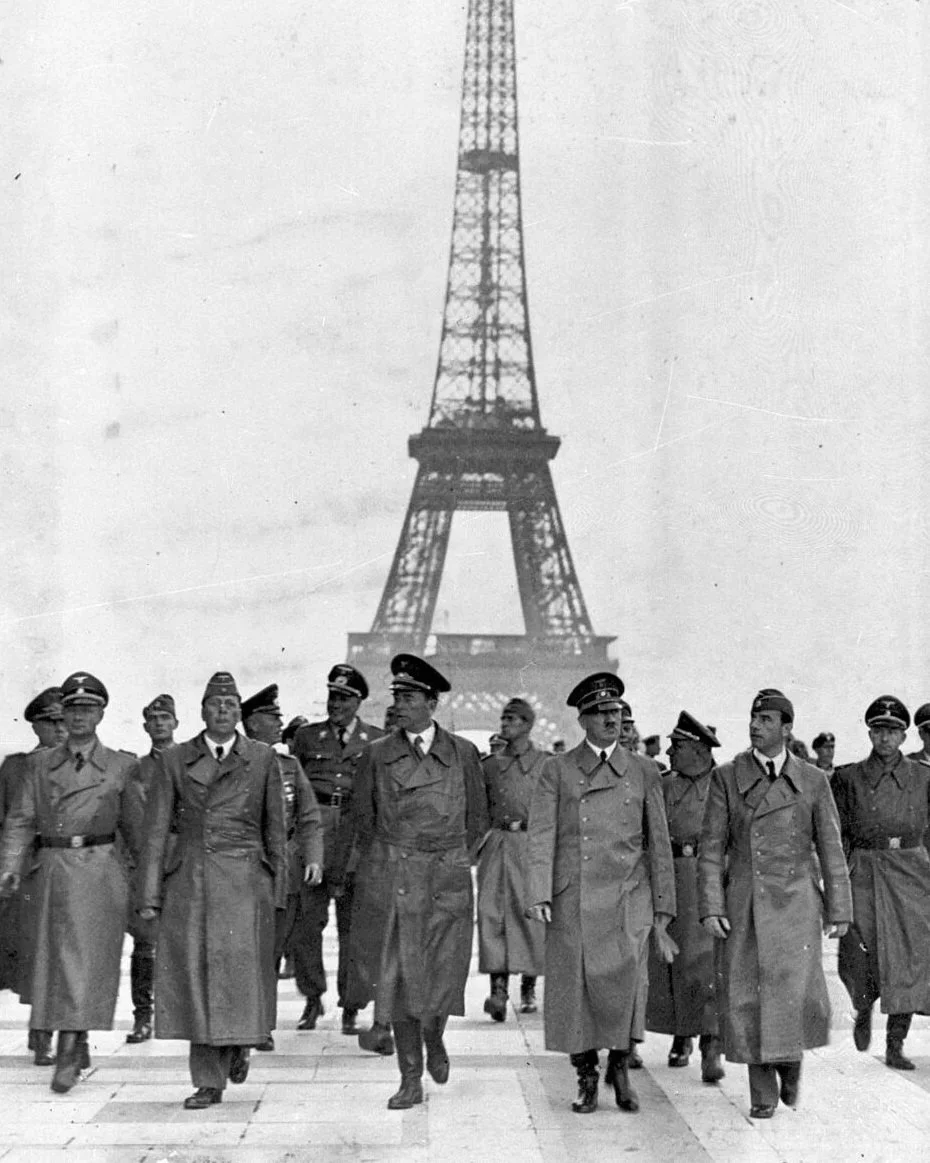
We begin by stepping into the atmosphere of a city under foreign rule, where German flags once flew over iconic landmarks and everyday life was reduced to ration queues, black‑market trades and hushed resistance meetings. I’ll point out the hidden markers of Gestapo offices, Vichy police stations and the cafés where collaborators negotiated with occupiers while ordinary Parisians struggled to put food on the table.
We will talk about the administrative heart of the Vichy regime, discussing how the French government willingly handed over Jews, foreign workers and political dissidents to the Nazis. We’ll contrast original propaganda posters plastered on shop fronts with the clandestine pamphlets smuggled by the Résistance, illustrating the daily battle for truth that played out on every street corner.
A brief stop at the memorial dedicated to the deported reminds us of the Vel’ d’Hiv roundup and the complicity of French authorities in the Final Solution. I’ll share survivor testimonies and stories of ordinary citizens who either turned a blind eye or risked everything to hide families.
All along we will be explring the calculus that forced Parisians to choose between survival, collaboration, or active defiance: the presence of German military parades, the underground tunnels where resistance fighters stored weapons and printed clandestine newspapers, and the everyday propaganda versus underground resistance press.
The tour culminates with the moment of liberation, when the French flag was raised again after four years of oppression. From the ruins of the former Vichy administration to the jubilant crowds celebrating freedom, we trace the rapid shift from tyranny to emancipation, emphasizing that victory was a mosaic of individual acts of courage, sacrifice, and, yes, betrayal.
Throughout the 3h walk the focus stays on people—not on abstract battle maps. We confront the uncomfortable truth that many Parisians were complicit, while also honoring those who risked everything for liberty. The tour ends with a quiet moment by the Seine, reflecting on Paris’s motto “Fluctuat nec mergitur”: the city may have rocked under the weight of tyranny, but it never sank. This is an unflinching look at how ordinary streets become stages for the best and worst of humanity, and why remembering that duality matters today.