 Image 1 sur 4
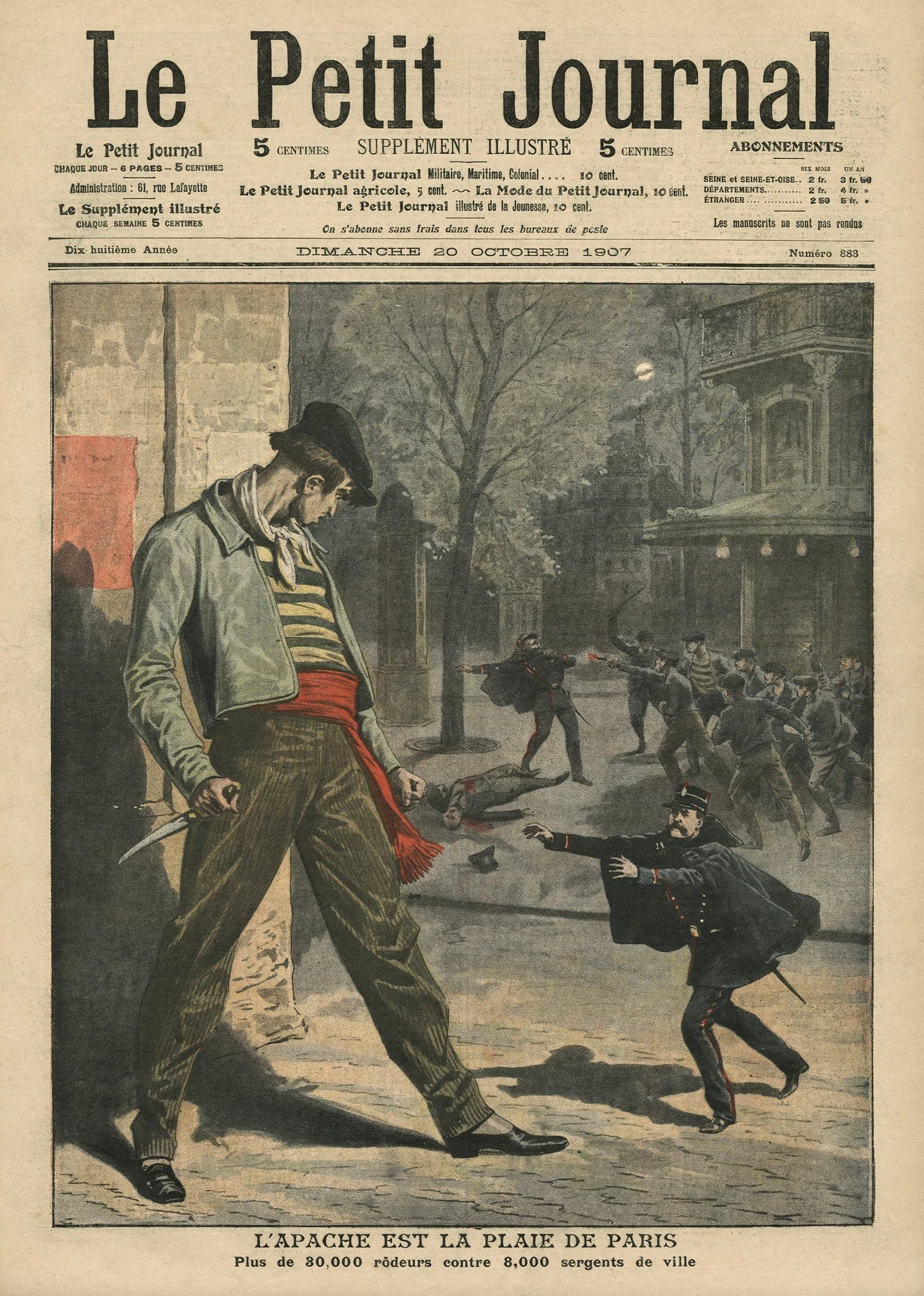 Image 2 sur 4
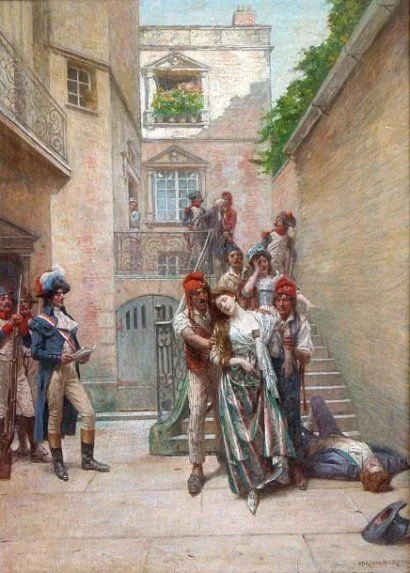 Image 3 sur 4
 Image 4 sur 4
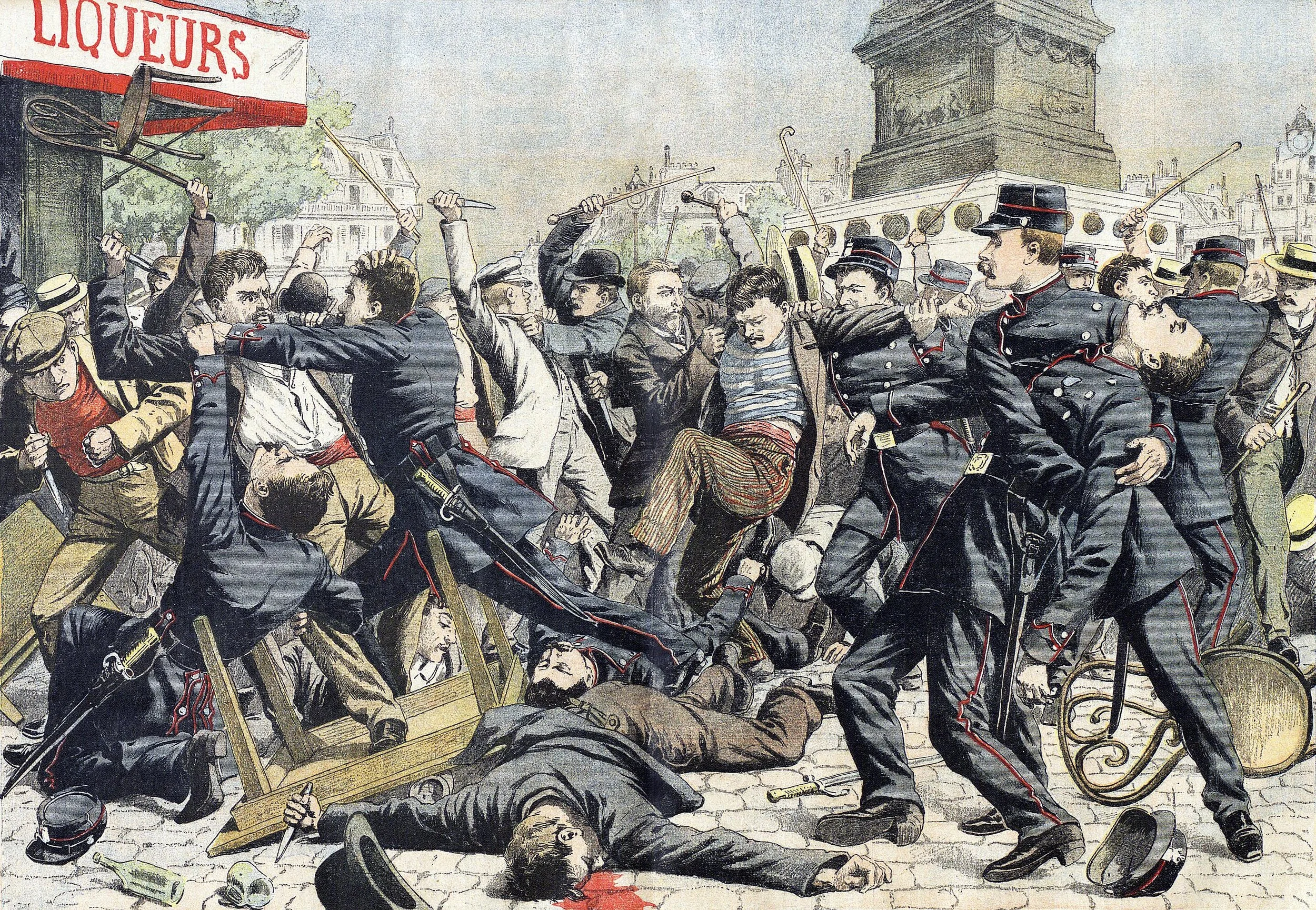
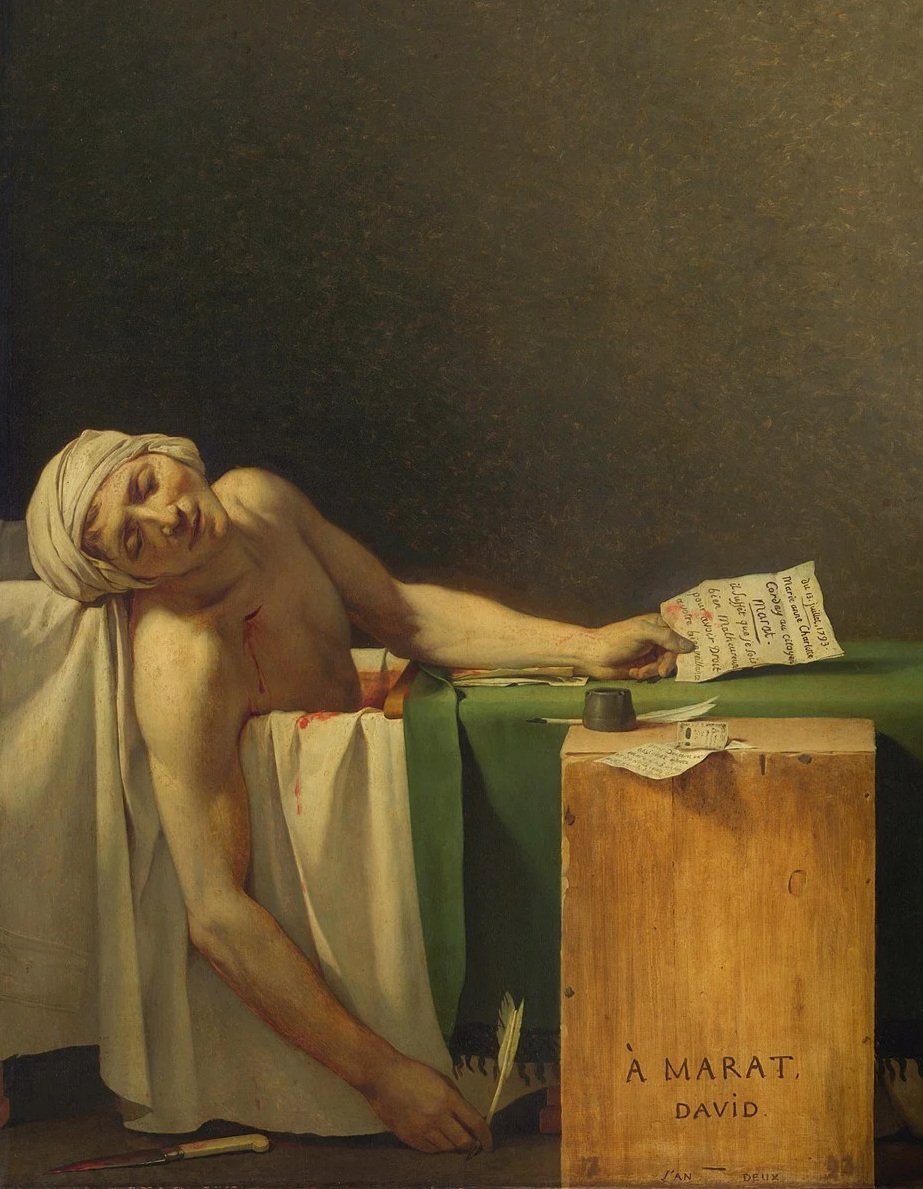
We start at the historic heart of Paris and move through the city’s hidden arteries, stopping only when the story demands it. From the medieval guild courts that enforced divine law, to the brutal public executions at the Place de la Révolution, we trace how the state’s definition of “crime” has always been a mirror of who held power. I’ll introduce you to the notorious characters—heretics burned for belief, street gangs that terrorized the faubourgs, aristocratic conspirators who plotted regicide, and the modern serial offenders whose cases still haunt the police archives.
Each episode becomes a lens on the evolving relationship between law, religion, and authority. In the Ancien Régime, crime was often a sin punished by the Church; the Enlightenment tried to replace that with “natural” laws, birthing the first codified penal codes that still underpin today’s justice system. The Revolutionary tribunals show how a fevered quest for equality can morph into a machinery of terror, while the Vichy police illustrate how a legal system can be hijacked to serve an occupying regime. Finally, we examine contemporary reforms—restorative justice pilots, gender‑based violence statutes, and digital surveillance—that reveal the ongoing struggle to make the law serve, rather than dominate, the citizenry.
Throughout the walk the focus stays on the idea that justice is not a static edifice but a living contract between the state and its people. By following the footprints of thieves, murderers, heretics, and reformers, you’ll see how each era rewrote the social pact, redefining what it means to live together in a “just” society. This isn’t a sensationalist true‑crime recap; it’s a critical, unsanitized narrative that shows how the very concepts of crime, punishment, and power have co‑evolved—and why that history still matters for the democratic pact we inherit, day after day.