 Image 1 sur 4
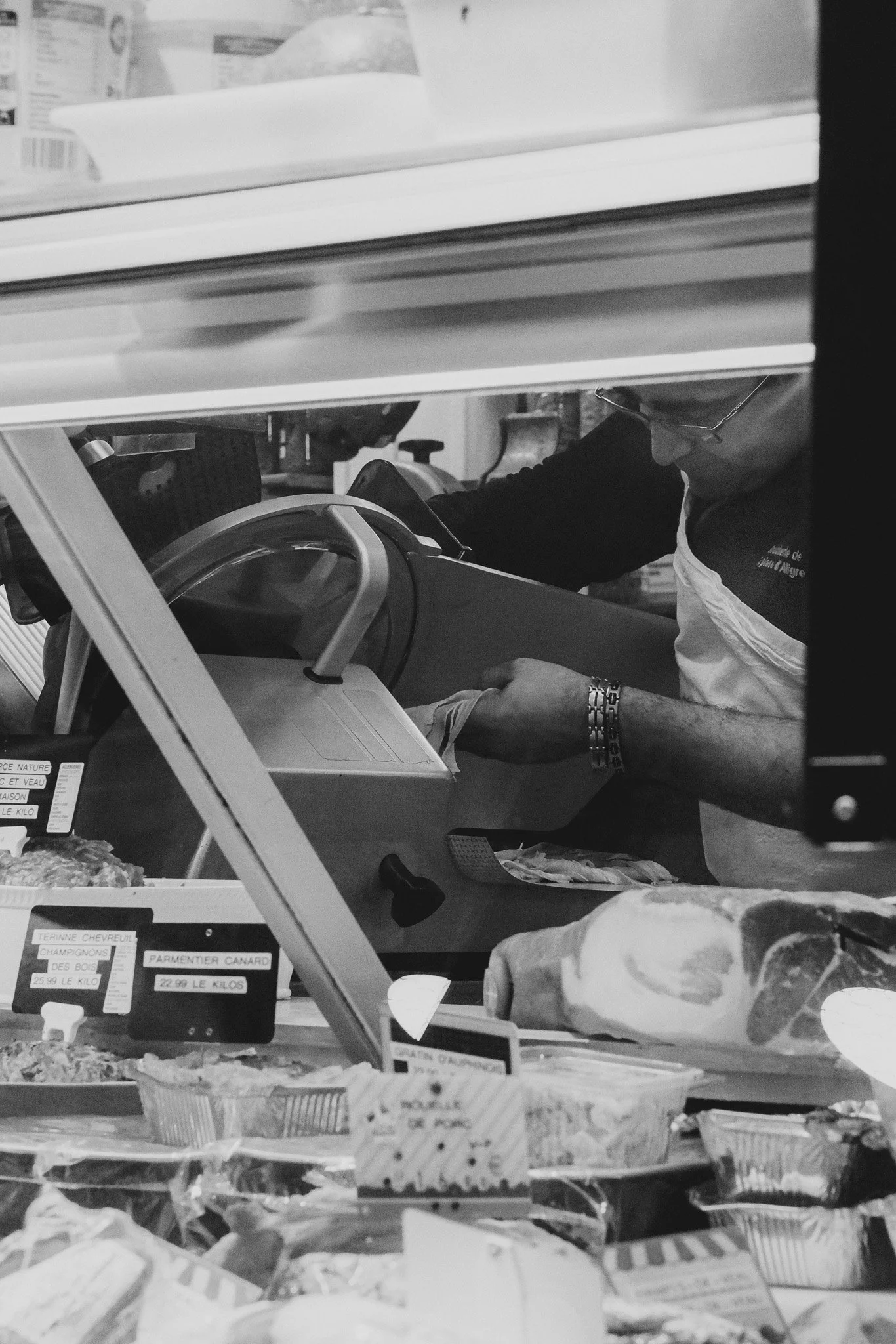 Image 2 sur 4
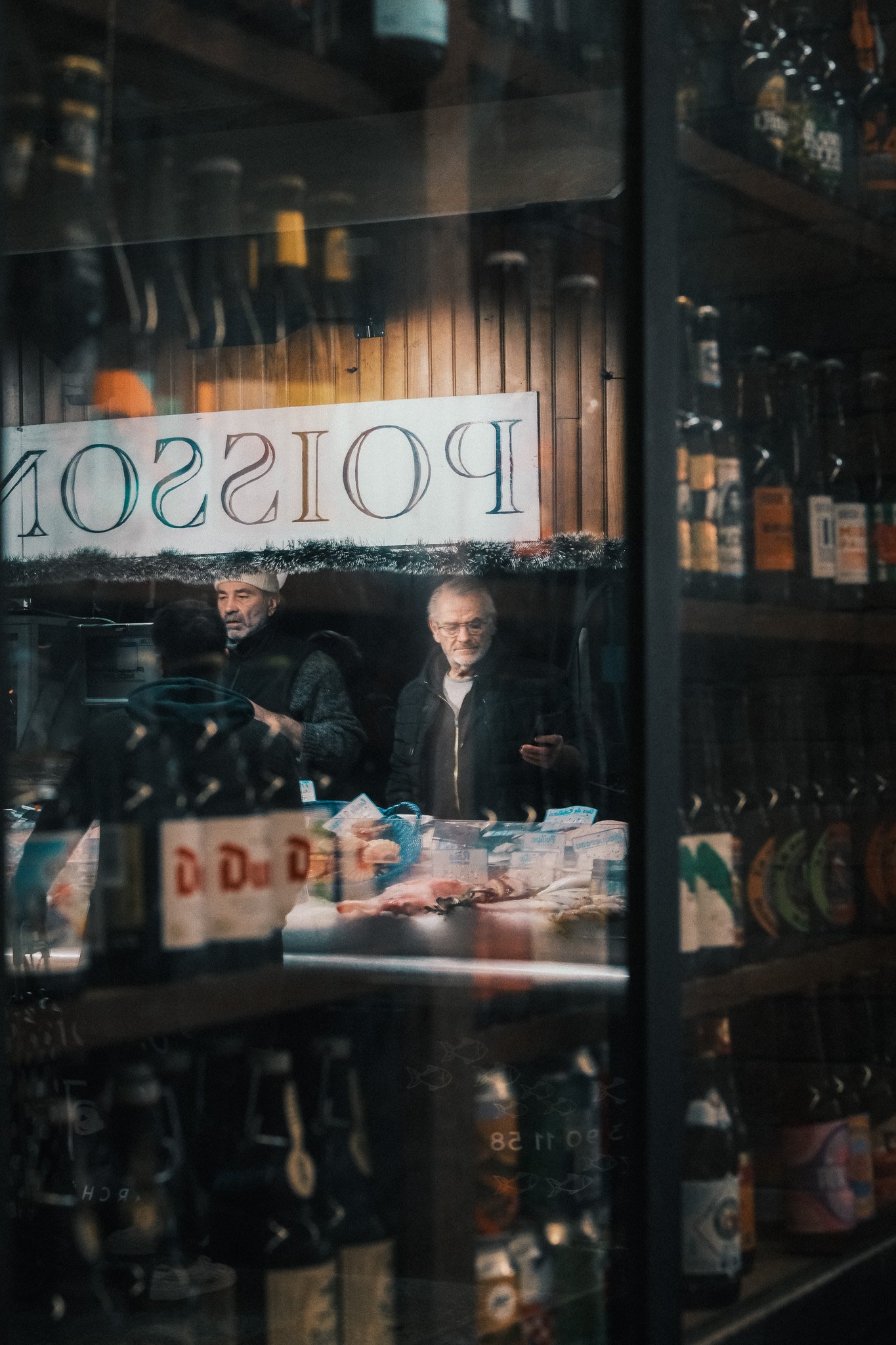 Image 3 sur 4
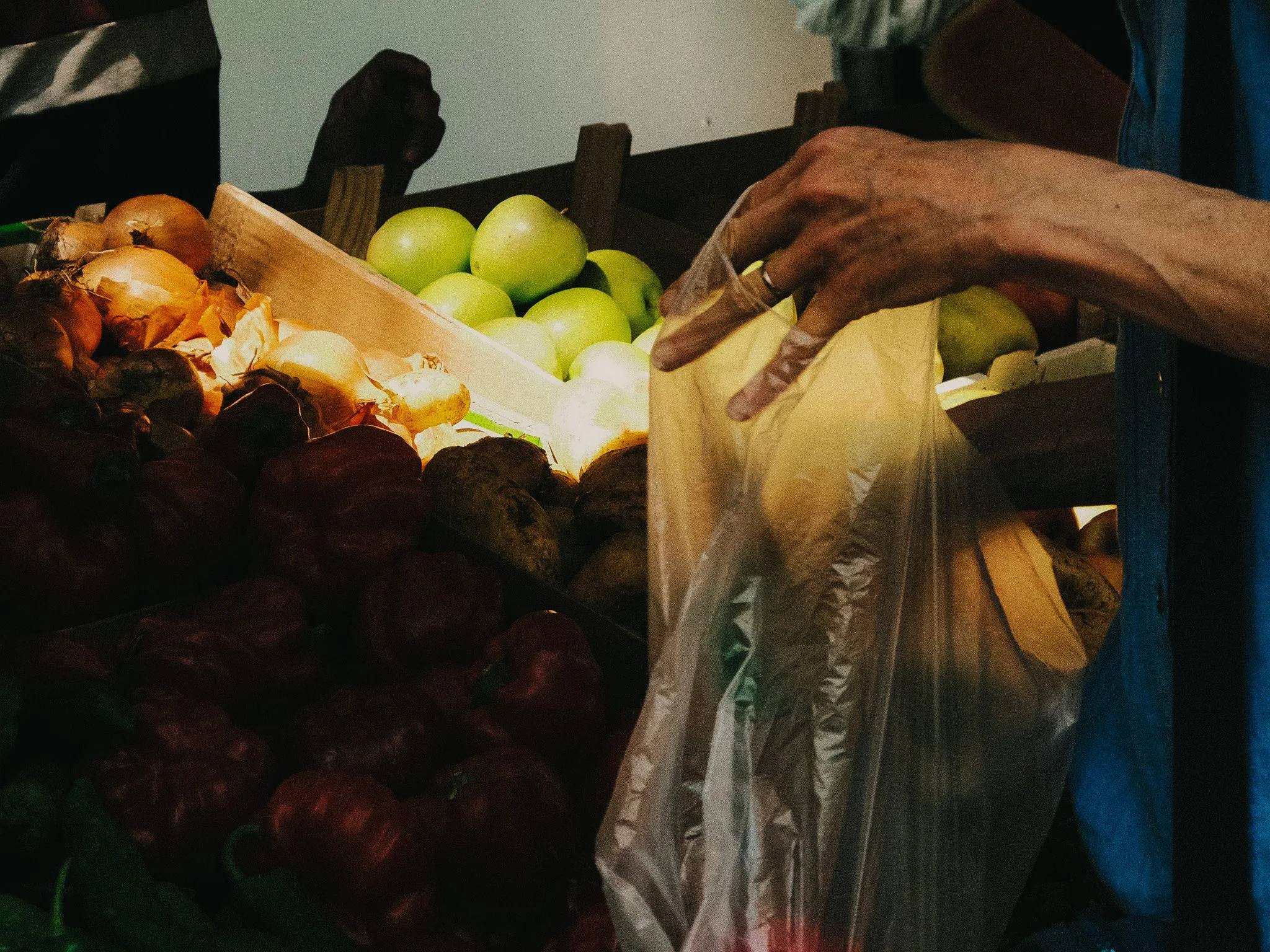 Image 4 sur 4
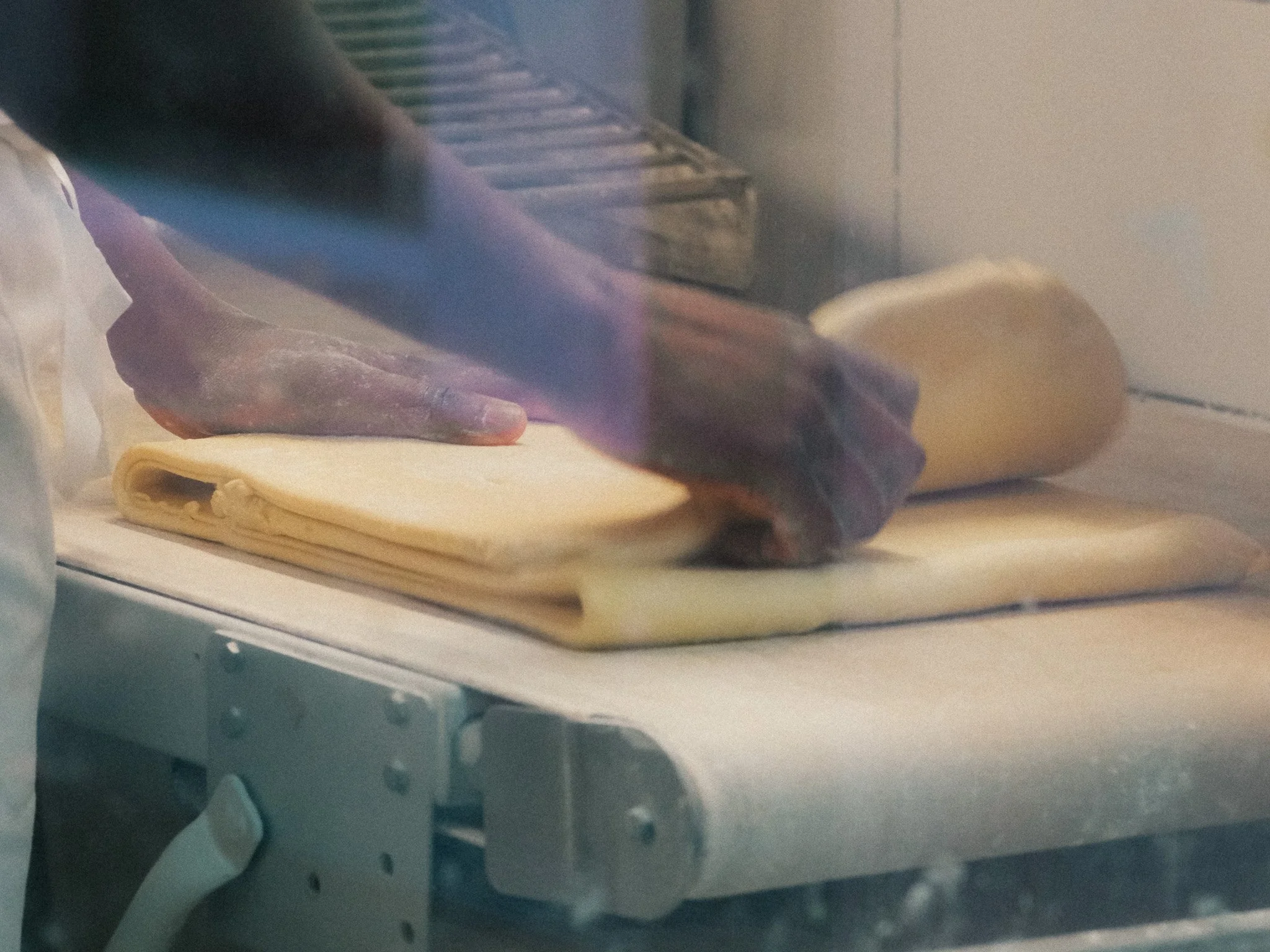
This isn’t a polite “taste‑test”; it’s a culinary excavation. We walk a single Parisian quarter, stop at 6‑8 carefully chosen stalls, bakeries, cafés and hidden eateries, and let the food itself tell the story of the street, the market, the migration waves and the power plays that shaped it. Every bite is a clue: a crusty baguette from Aligre whispers about the working‑class market culture that fed revolutionaries; a flaky pastry in the Marais nods to the historic Jewish bakers who turned the area into a gastronomic crossroads; a hipster croissant in Saint‑Georges shows how new‑wave chefs repurpose classic techniques for a digital‑nomad clientele; a fragrant falafel‑laden corner in Porte Saint‑Denis reveals the lasting impact of North‑African immigration on today’s “bobo” palate.
The premise is simple: French cuisine is a mirror of its society, and the concept of terroir—territory + history—is the lens we use. I’ll give you the context (who built the market, why a particular spice arrived, what a street name once meant) and then hand you the plate. No pretentious tasting menu, no obligatory onion soup every day—just the foods that Parisians actually eat, from the humble street‑vendor to the artisanal shop that sets the trend.
Neighbourhood options
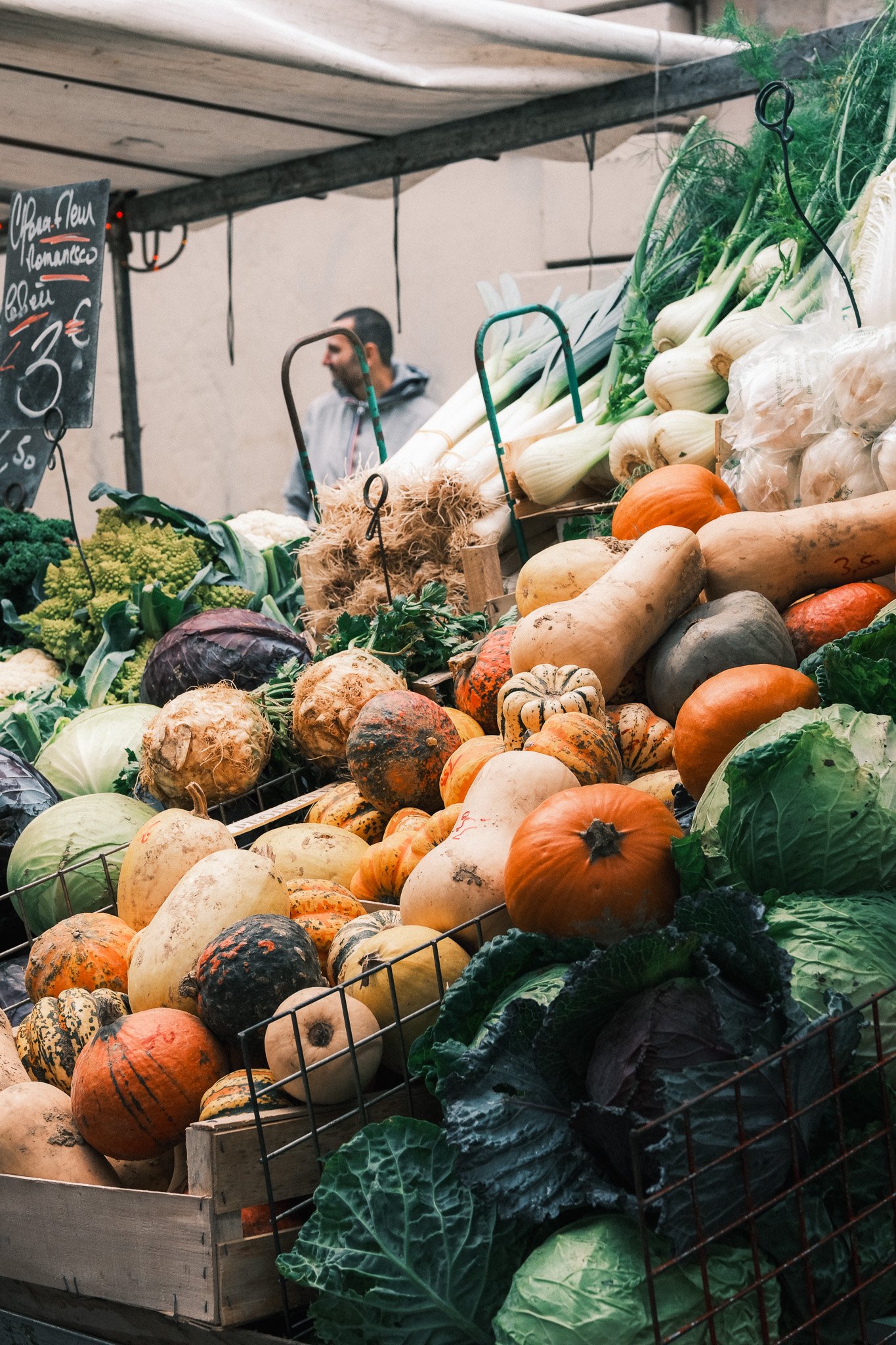
Aligre – This is my home turf, the market that raised me. The stalls spill over with fresh produce, cured meats and cheap wine that have fed working‑class Parisians for generations, and the vendors still know each other by name. Walking its narrow lanes you’ll hear the same jokes that have echoed since the 19th century, and you’ll taste the dishes that powered the 1848 uprisings—nothing polished, everything authentic.
Le Marais – Once the aristocratic heart of Paris, the Marais now pulses with high fashion, and thriving LGBTQ + as well as the Jewish community and a relentless stream of pop‑culture references. Here the past and the present clash in the same pastry shop: a classic almond‑filled pâtisserie sits beside a vegan bakery pushing the boundaries of what “French” can mean. The neighbourhood’s layered history—medieval guilds, the Holocaust, the 1960s gay liberation—shows up in every bite, from a reclaimed bagel to a haute‑cuisine canapé.
Saint‑Georges – Nestled on the slope that leads up to Montmartre, Saint‑Georges is the launchpad for the city’s newest culinary experiments. The hill is dotted with micro‑boulangeries that bake sourdough using ancient Levain methods while serving espresso brewed on a cold‑brew drip‑tower. Young American digital nomads and local chefs swap recipes over brunch, and the energy is palpable—you’ll literally feel the calories fueling the climb to the Sacré‑Cœur.
Porte Saint‑Denis – This is the boho‑hipster hub that has resisted full gentrification thanks to a constant influx of immigrant communities. You’ll find a Syrian shawarma stand next to a Senegalese grill, a Korean kimchi shop sharing a block with a vintage cheese bar. The culinary diversity is a living textbook of how migration reshapes French identity, and the surrounding boutiques sell ethically sourced goods that echo the same inclusive ethos.