 Image 1 sur 3
 Image 2 sur 3
 Image 3 sur 3
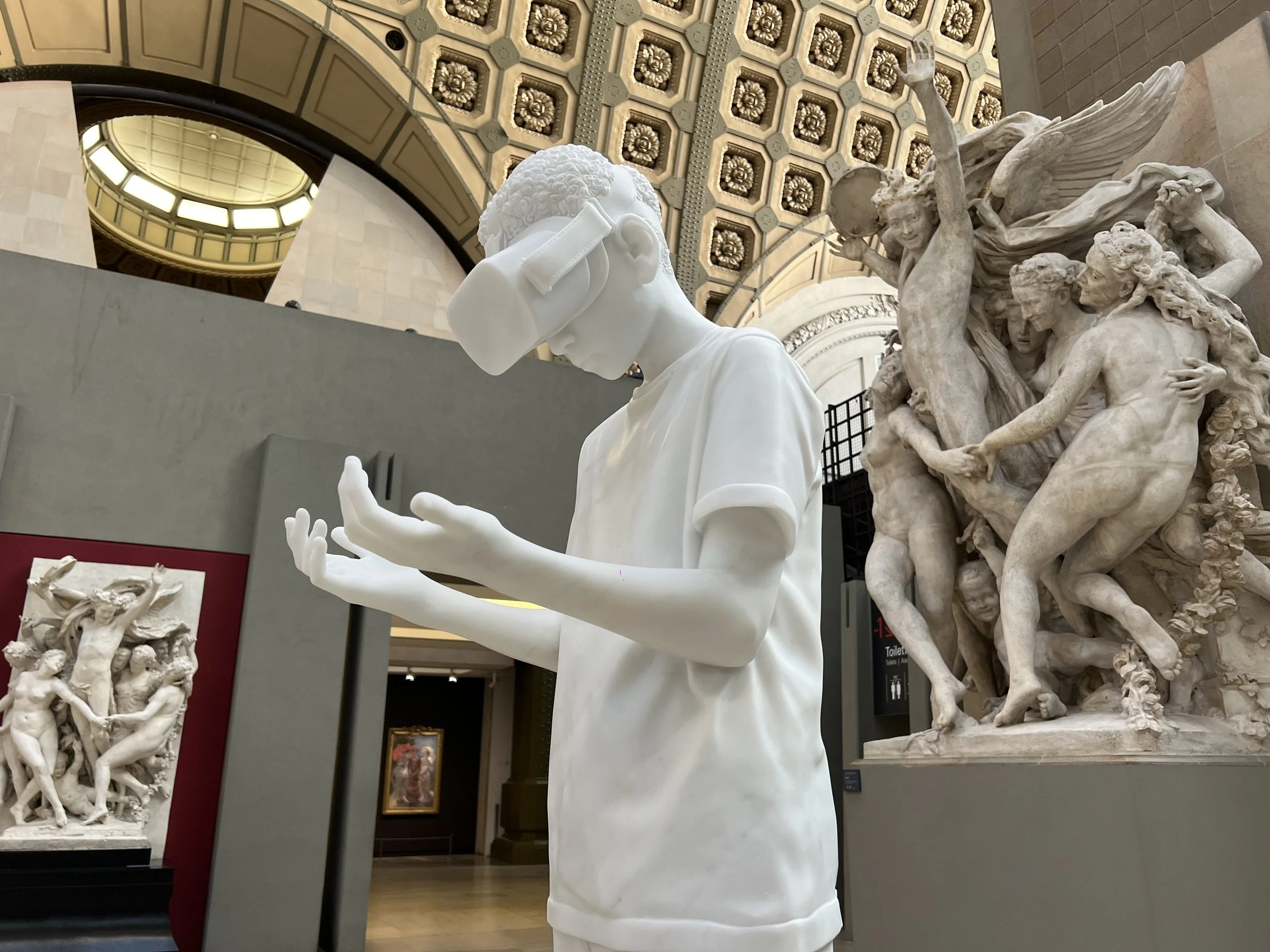
Kids (primary‑school age)
Every walk can be reshaped for younger children, and I’ll ask you ahead of time what cartoons, games or hobbies they love so I can weave those references into the narrative. Museums and monuments often feel like a chore for little ones, so I turn each stop into a short, vivid vignette—think hands‑on demos, quick “did‑you‑know” facts, or a playful comparison that makes a statue feel like a superhero. I speak in plain language, use plenty of visual cues, and keep the pace lively so the kids stay engaged without feeling lectured. The goal is simple: they leave with a genuine sense of wonder, not a checklist of facts.
Teens (middle‑ and high‑school)
For older kids I take a slightly deeper dive, matching the tour to their school curriculum and future goals. Before the day I’ll find out which subjects they’re studying—French history, literature, science, or even SAT‑prep topics—then pepper the route with relevant anecdotes, primary‑source excerpts and contextual explanations that reinforce classroom learning. I’ll point out the “why” behind architectural choices, link revolutionary slogans to modern civic discourse, and offer quick, actionable study tips when the conversation naturally lends itself to exam preparation. In short, the experience feels like an interactive field trip that boosts confidence, enriches academic knowledge, and still feels fun enough to keep them asking questions.
I have a natural rapport with children—I’m the eldest of four siblings and have spent countless hours babysitting, playing, and answering endless “why?” questions without ever talking down to them. Before becoming a guide, I taught private lessons to middle‑ and high‑school students, honing the ability to break down complex ideas into digestible, engaging chunks. Those combined experiences let me create tours that speak directly to young minds, whether they’re simply curious or looking for a boost in their schoolwork.